Walk into any sneaker store and the running wall can feel endless. The good news is that choosing well is mostly about two things: the kind of running you do most, and how the shoe fits your foot. Here is a simple way to narrow it down.
Start with your week, not the shoe
Think about the last month. Were most of your runs easy miles on the road, quick sessions on a treadmill, or weekend trips up a trail? Buy for the runs that make up most of your week, not the one race you have planned.
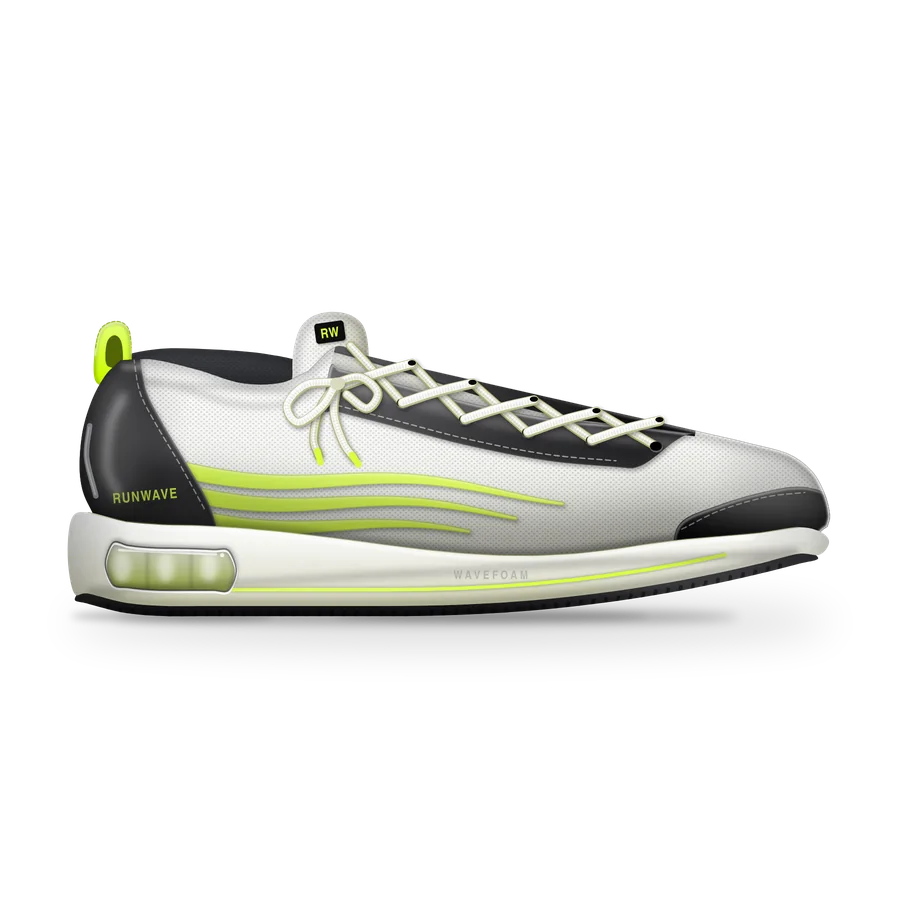
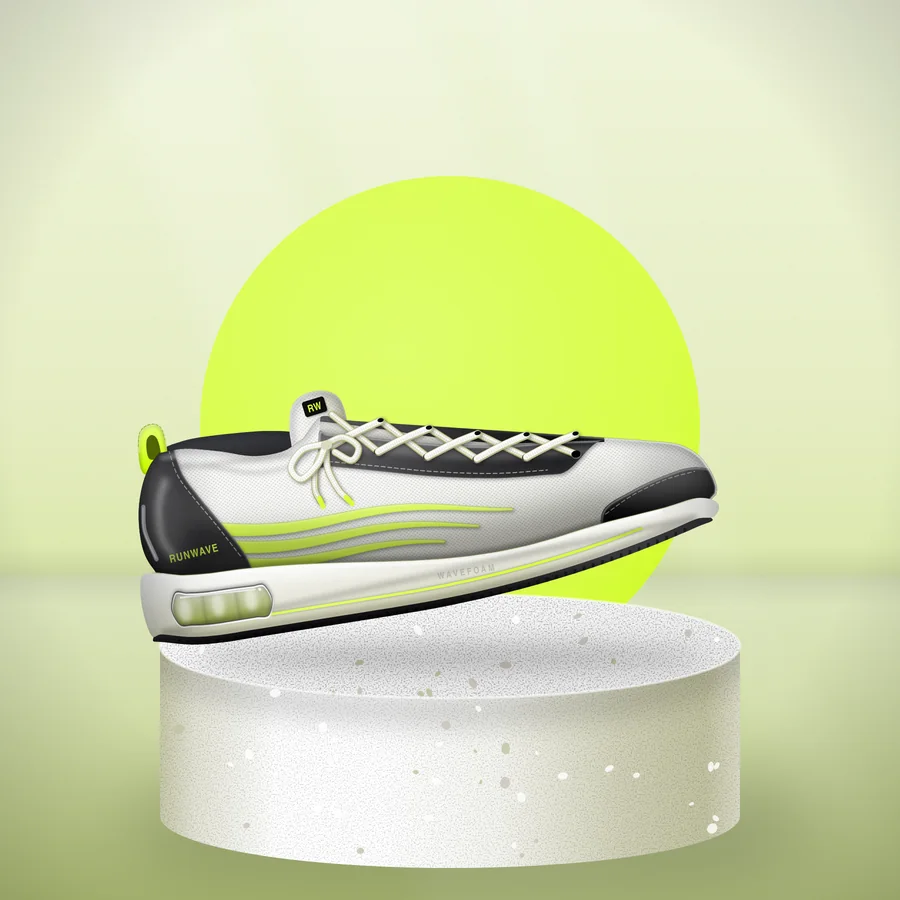
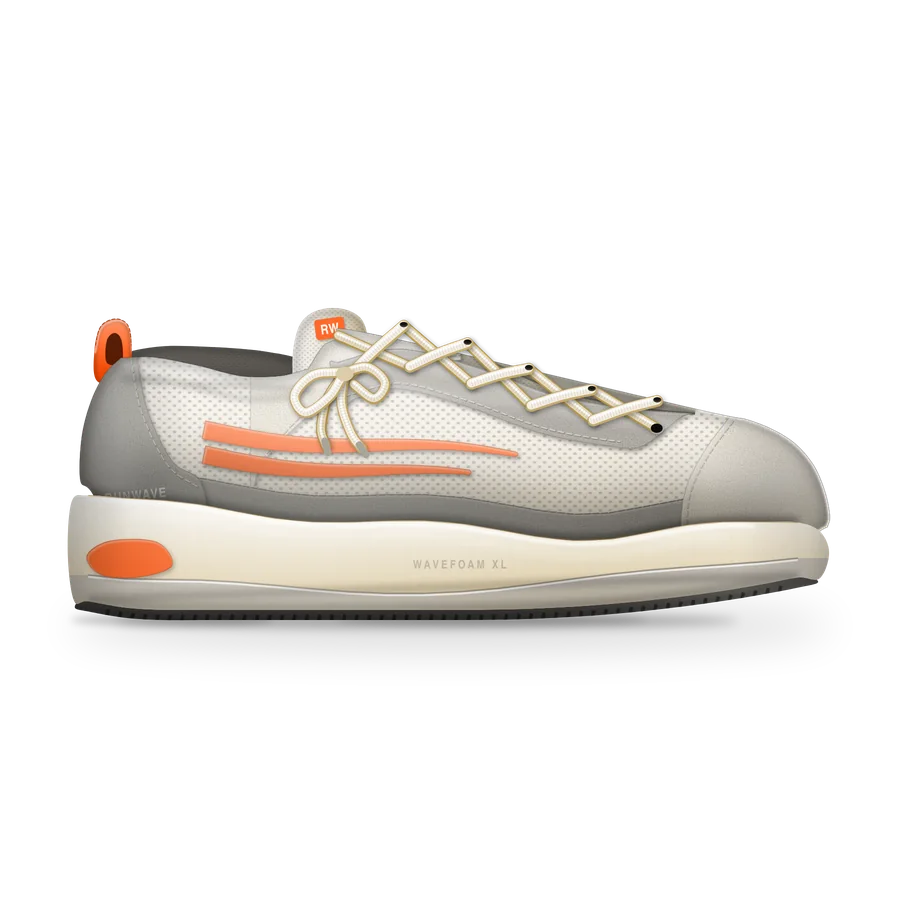
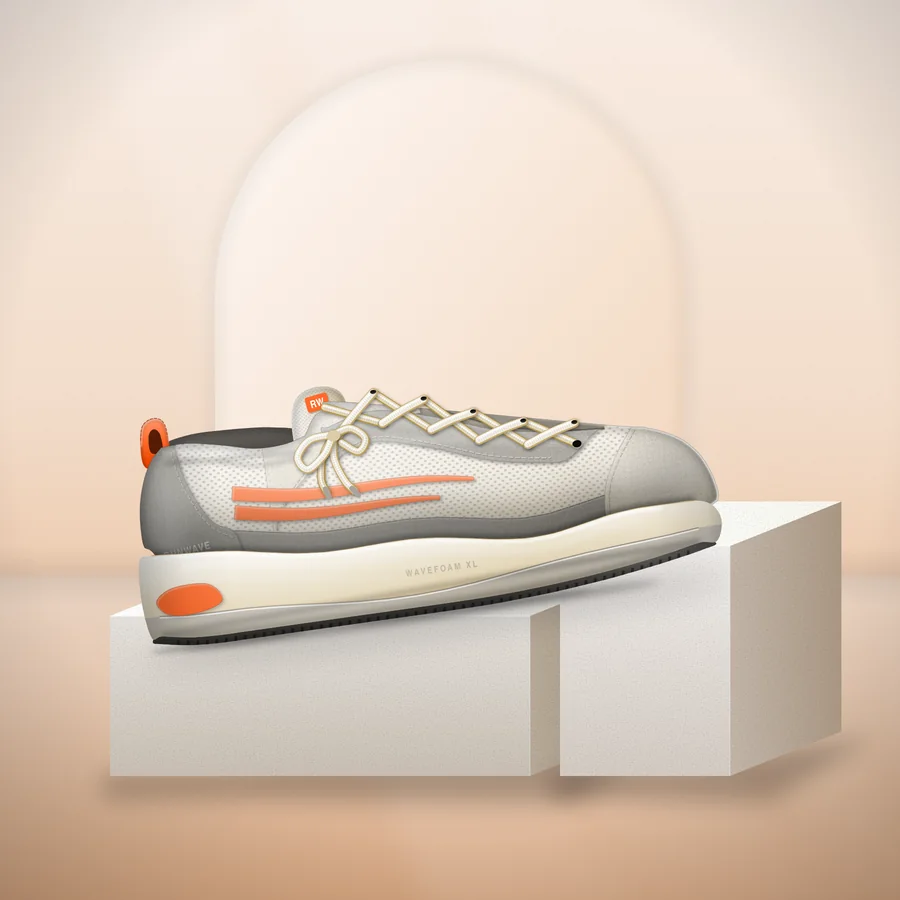
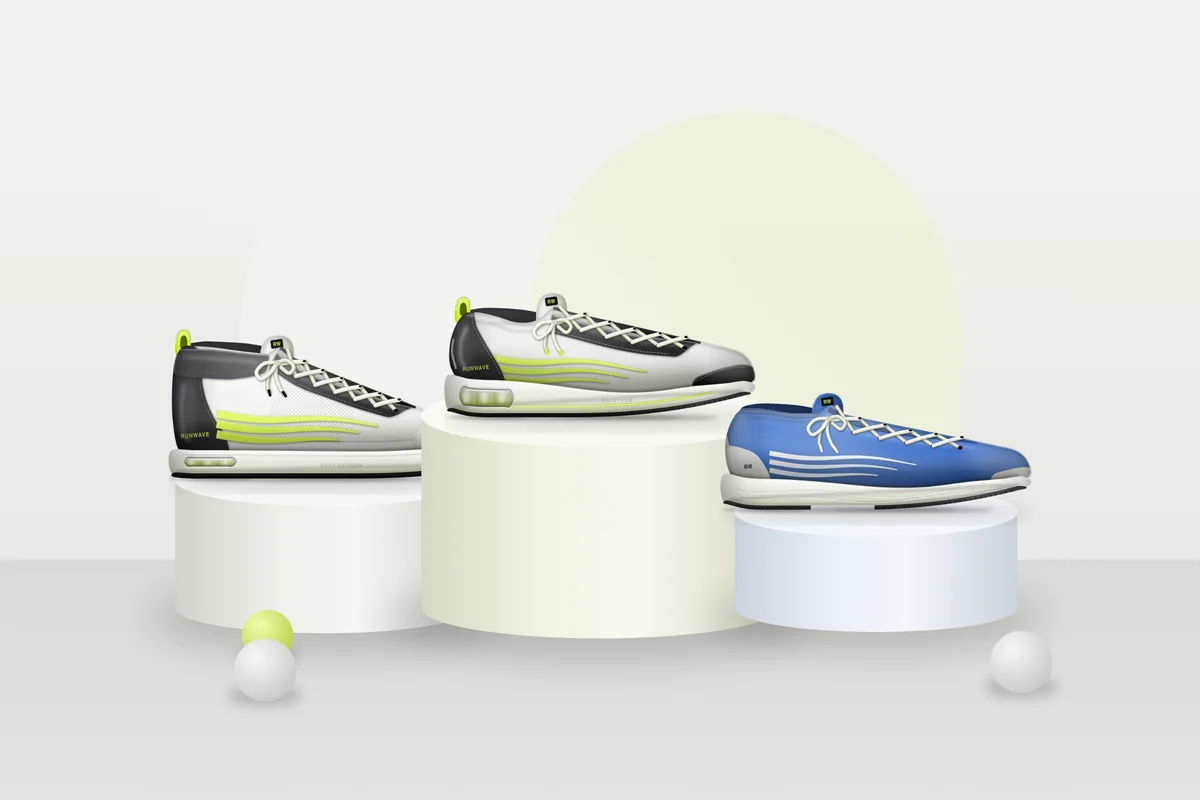
- Easy and long road runs: look for a softer, higher-stack midsole like the Wave Runner Pro. Extra foam makes long, steady runs feel smoother.
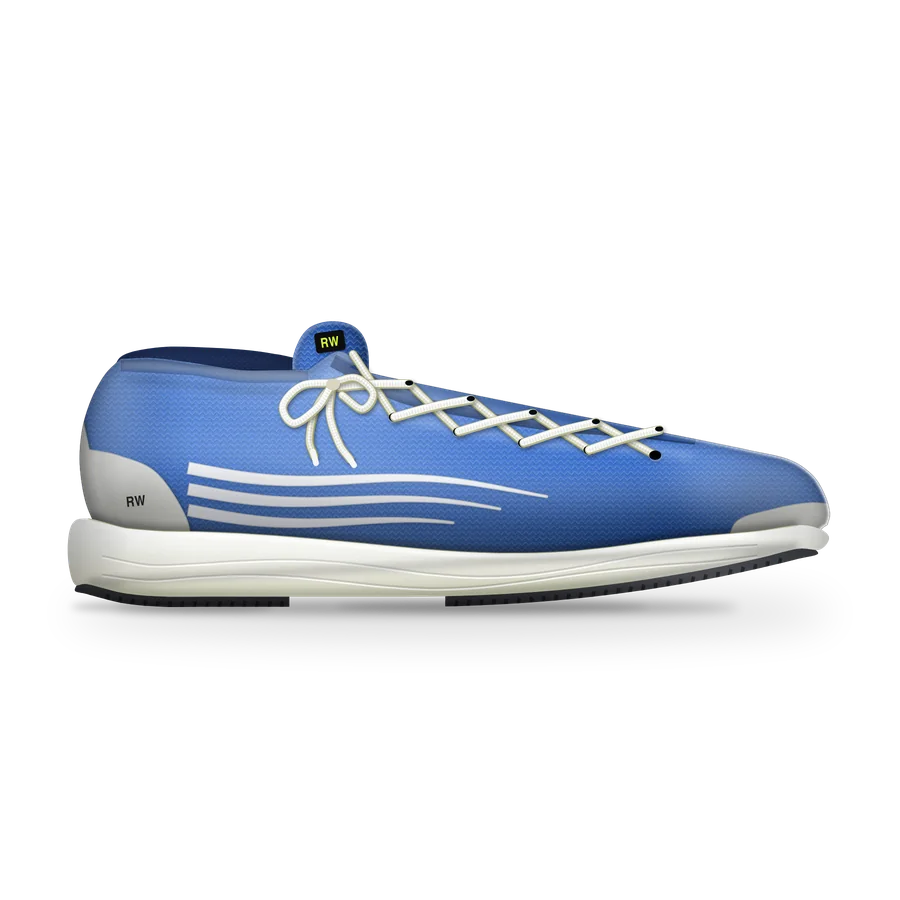
- Short runs, gym days and travel: a light, flexible trainer such as the AirLite Knit Trainer is easier to pack and feels nimble for mixed workouts.
- Dirt paths and hills: trail shoes like the Trail X-Grip add deeper lugs, a toe bumper and a firmer platform for uneven ground.
Understand drop and stack
Stack height is how much material sits between your foot and the ground; drop is the difference between heel and forefoot height. A higher drop (8–12 mm) feels familiar to most people coming from everyday sneakers. Lower drops (0–6 mm) feel flatter and take some getting used to, so change gradually if you switch.
Get the fit right
Fit matters more than any feature. Try these checks when your new pair arrives:
- Measure your foot in the evening, when it is slightly larger, from heel to longest toe.
- Leave about a thumb's width between your longest toe and the end of the shoe.
- The heel should feel held, not pinched, with no slipping when you walk up stairs.
- Wear the socks you run in. Thicker socks can take up half a size.
If something feels off, keep the pair clean and unworn outdoors and message us on WhatsApp. Unworn pairs can be exchanged within 7 days, so it is easy to swap for the size that fits.
Rotate when you can
Running four or more days a week? Having two pairs, for example a cushioned shoe for long runs and a lighter one for short sessions, gives each pair time to dry out between runs and keeps things interesting. Most running shoes are good for roughly 500–800 km, so keep a rough log and watch for flattened foam or worn-through rubber.
Still unsure? Send us your usual size, your weekly distance and where you run, and our team will point you to a pair.