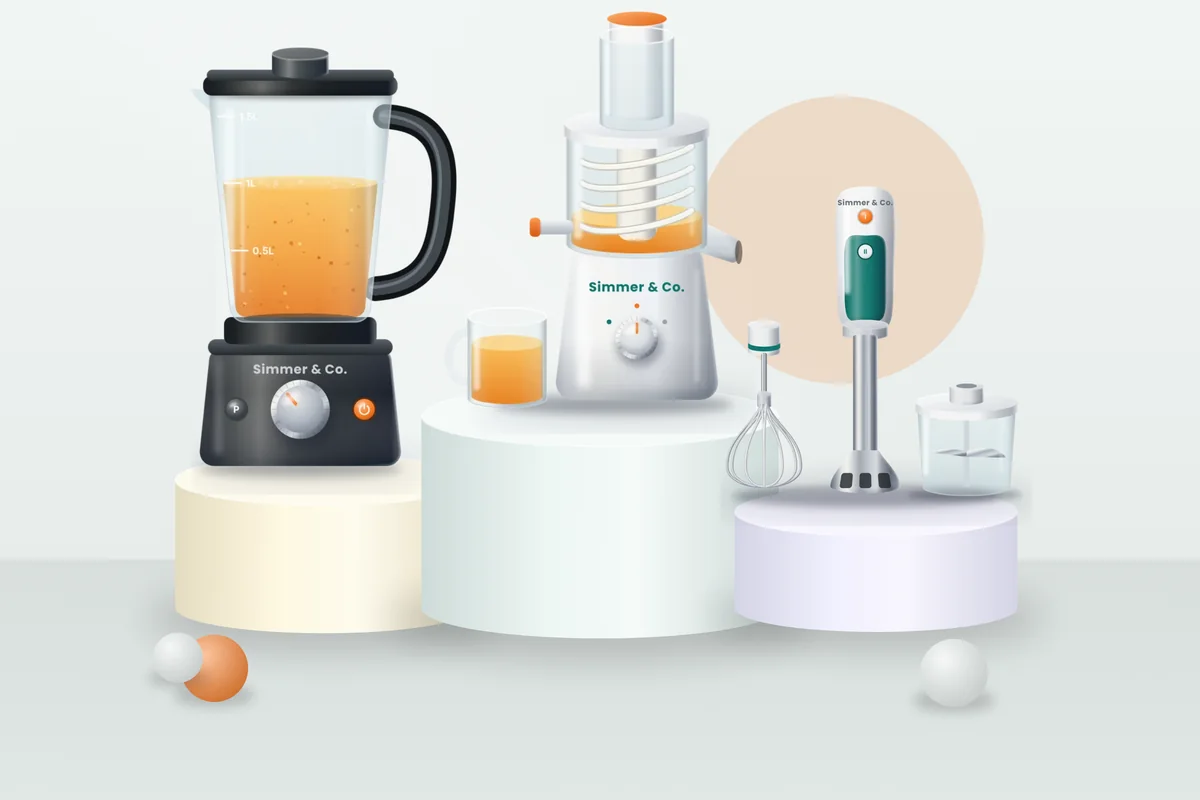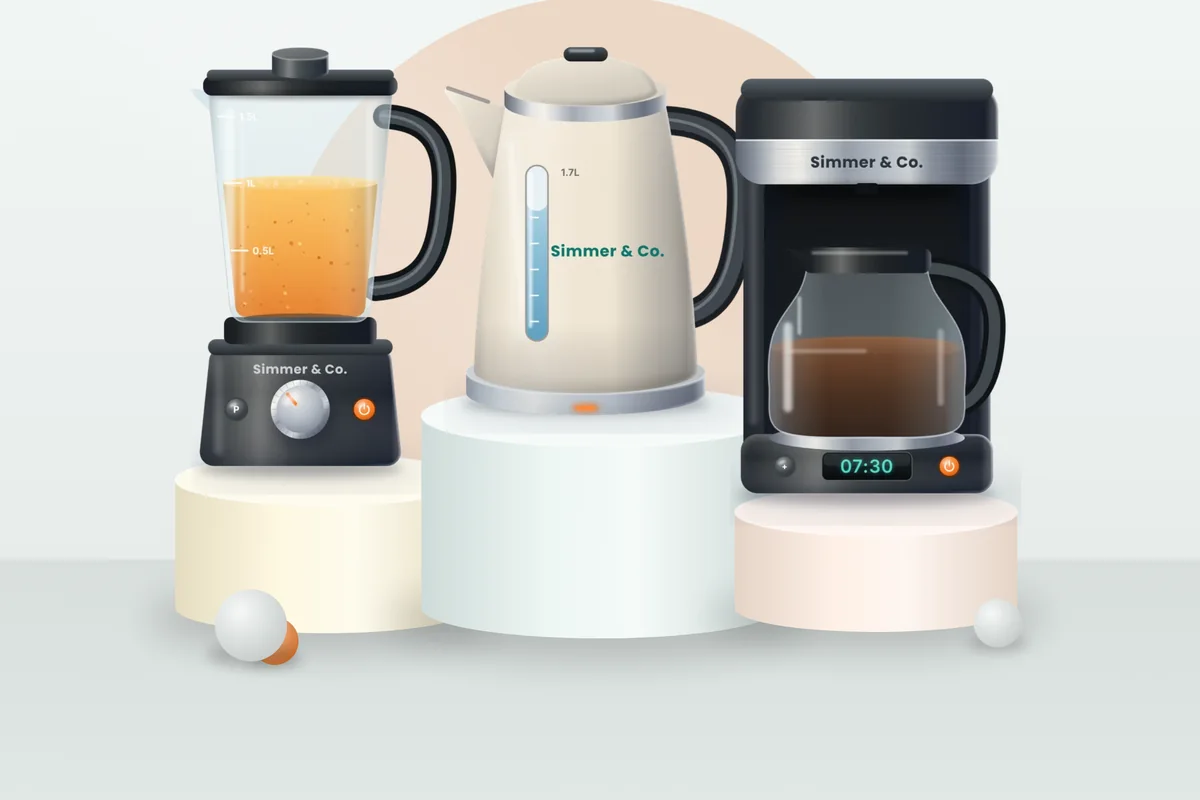
Blenders, juicers and choppers all have spinning blades or augers, so they are easy to mix up. Each one is built for a different job, and knowing which is which saves money and counter space.
Countertop blender: smoothies, shakes and chutneys
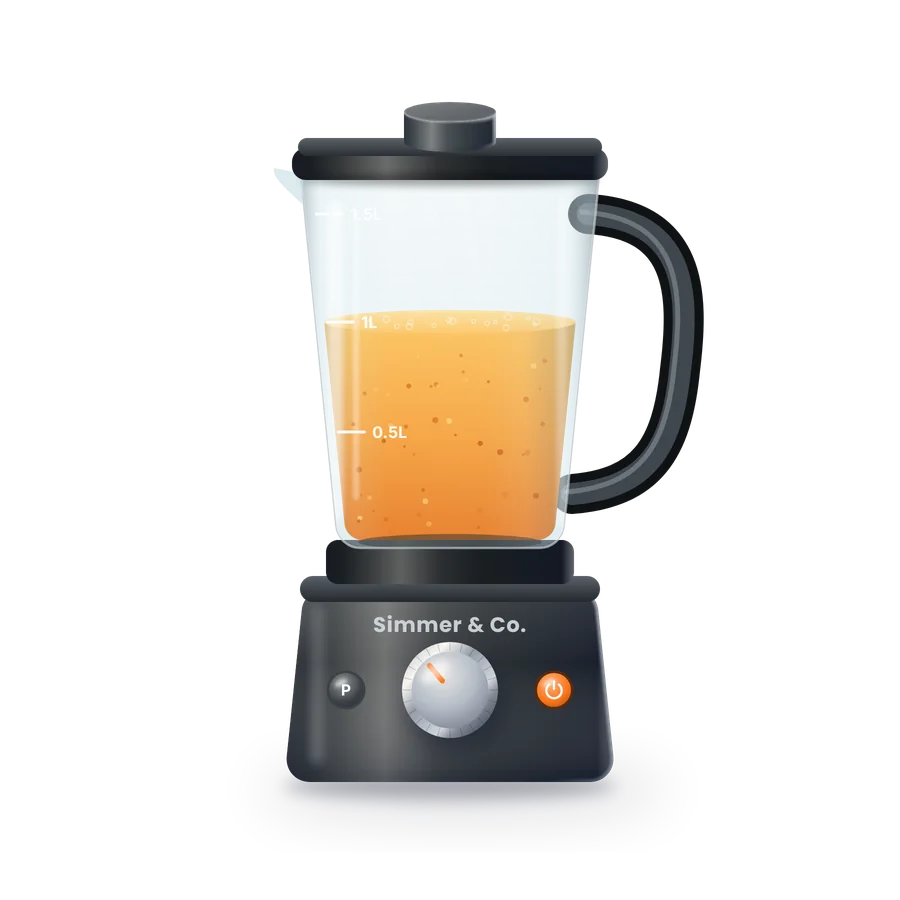
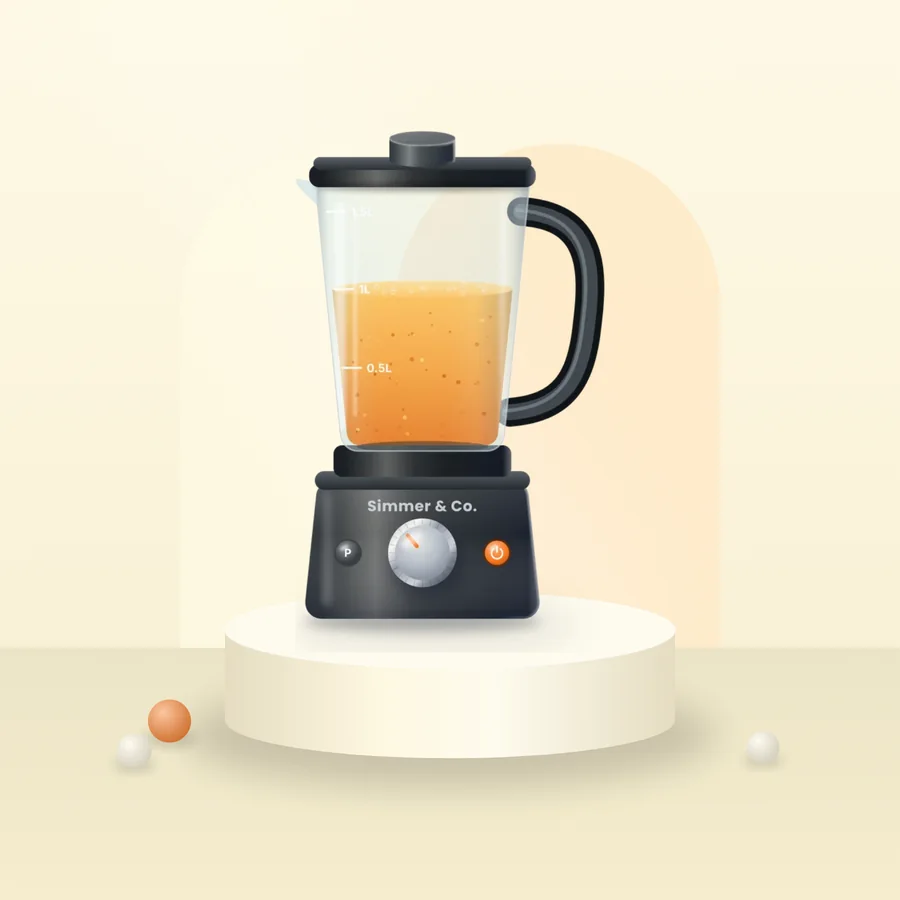
A blender liquidises everything in the jar, fibre included. It is the right tool for lassi, milkshakes, smoothies, soups and wet chutneys. Look for 1000–1200 W if you want to crush ice, a jar of about 1.5 L, and a pulse button for chunkier textures.
Slow juicer: clear juice without pulp
A slow (masticating) juicer presses fruit and vegetables with a turning auger and separates the juice from the pulp. The result is smooth, low-foam juice from oranges, pomegranates, carrots, apples and leafy greens. It is slower to clean than a blender, so it suits people who juice regularly.
Hand blender: quick jobs in the pot
A stick blender goes straight into the cooking pot, which makes it ideal for smooth daal, soups and sauces without pouring hot food into a jar. With a whisk attachment it also beats eggs and cream. A 3-in-1 set with a small chopper covers garlic, ginger and herbs too.
Food chopper: onions in seconds
A chopper uses an S-blade in a bowl and short pulses to cut food into pieces rather than liquidise it. It is the fastest way to prepare onions and tomatoes for curries, mince meat for kebabs or make salsa. A 2 L bowl handles family-size batches.
Which one should you buy first?
- You make shakes and chutneys daily: start with a blender.
- You want fresh juice every morning: choose a slow juicer.
- You cook curries and soups: a hand blender set is the most versatile.
- Chopping onions is your least favourite job: get a chopper.
Care tips that apply to all four
- Clean jars, bowls and blades straight after use, before food dries on.
- Handle blades by the hub, never the edges, and wash them with a brush.
- Never put the motor base in water; wipe it with a damp cloth.
- Let hot soups cool slightly before blending, and never fill a jar above the MAX mark.
- Run motors in short bursts and give them a rest during long jobs such as nut butters.
Whatever you choose, check the wattage, the jar or bowl material (BPA-free plastic or glass) and whether the parts are dishwasher-safe. A good prep appliance should be quick to set up and even quicker to clean, otherwise it ends up at the back of the cupboard.